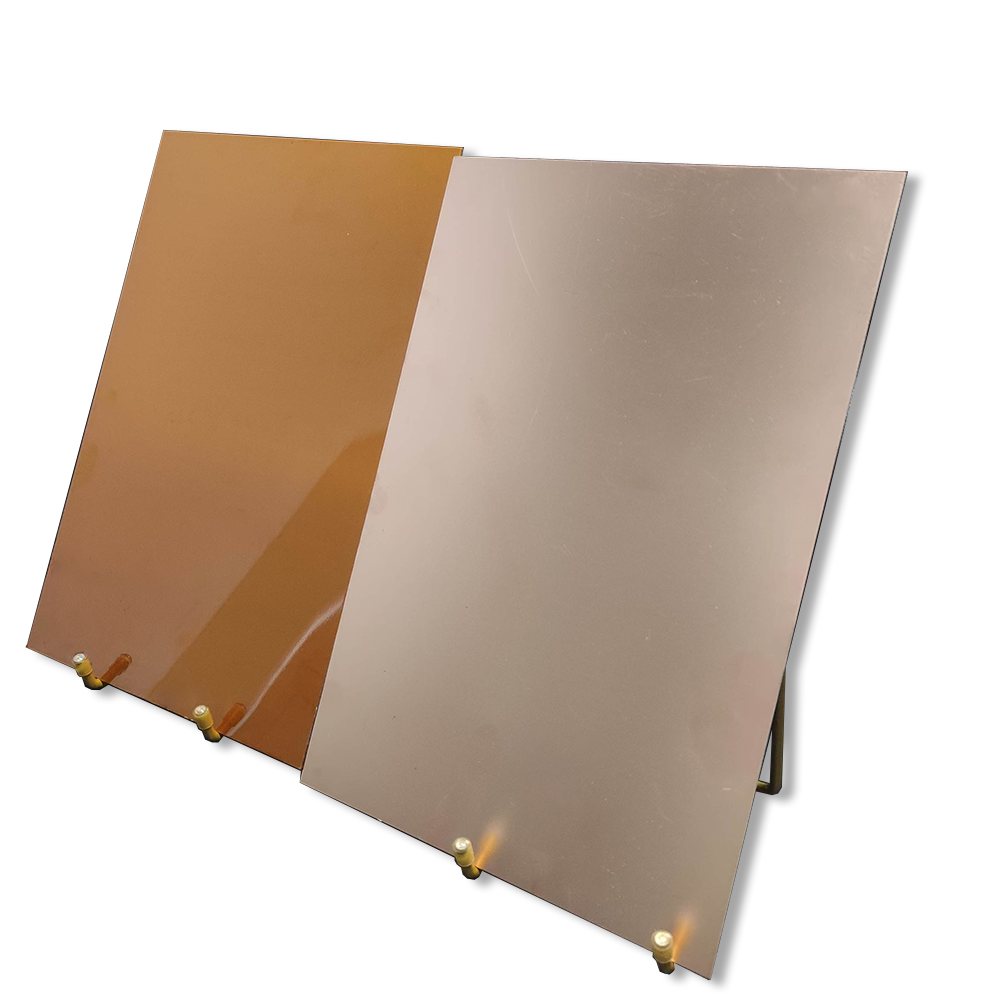
How an IMS laminate moves heat
Copper foil, a thin ceramic-filled dielectric and an aluminium or copper base. Heat leaves the component through the copper, crosses the dielectric and spreads into the metal.
- Dielectric grades
- 1.0 to 8.0 W/m·K
- Copper foil
- 35–210 µm, 1–6 oz
- Metal base
- 0.4–6.0 mm
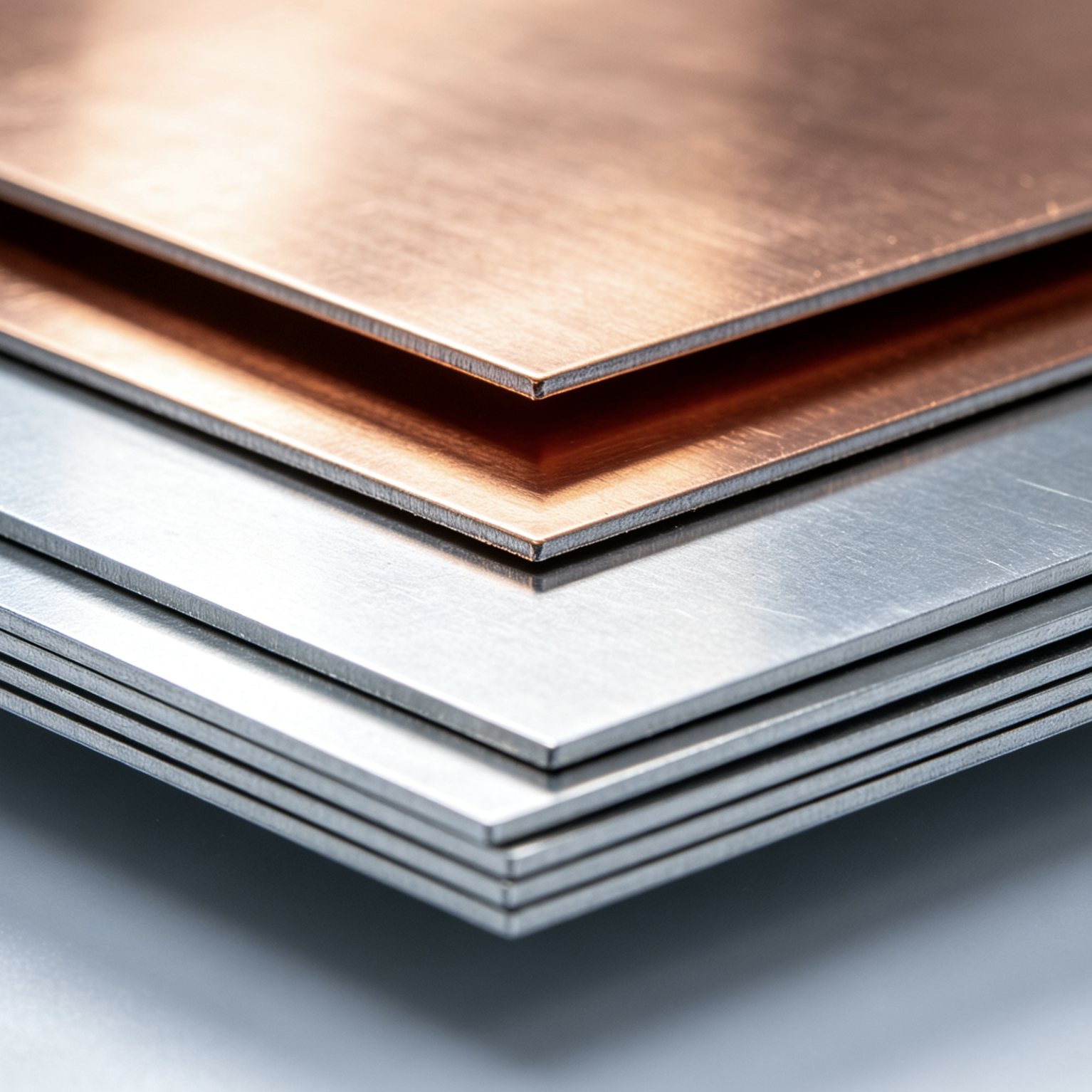
Three layers, and the middle one sets the grade
Each layer has one job, and each is chosen separately when a laminate is specified.
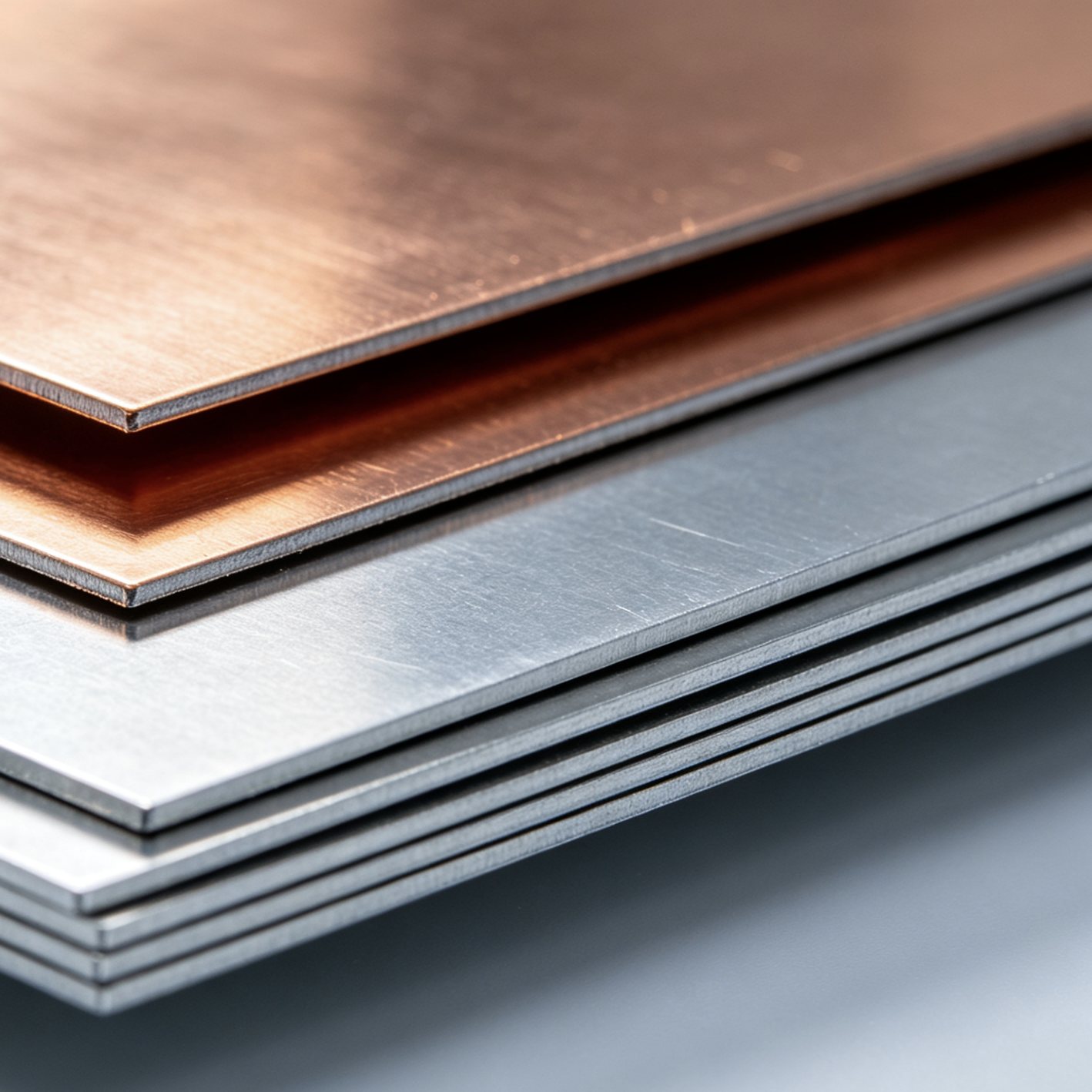 Copper foil
1–6 oz Dielectric
sets the grade Metal base
0.4–6.0 mm
Copper foil
35–210 µm, 1–6 ozThe layer that gets etched into circuits. Heavier copper carries more current and spreads heat sideways before it goes down; the weight is chosen per board.
Dielectric
Ceramic-filled resinIt insulates the circuit from the metal and passes heat through. Its thermal conductivity, 1.0 to 8.0 W/m·K, is the grade of the laminate; an ultra-high series is stated at 3–12 W/m·K. High-voltage grades are rated to 6 kV AC breakdown on a 100 µm dielectric.
Metal base
0.4–6.0 mmAluminium is the standard choice. A copper base moves more heat where power density is highest, with grades up to 8 W/m·K. Thickness sets stiffness and how much metal there is to spread the heat.
More ceramic in the resin, a higher grade
Aluminium-base laminate comes in six thermal conductivity tiers. The strip beside each shows, schematically, how much ceramic filler the dielectric carries.
| Grade | Ceramic fill, schematic | Note |
|---|
Strips are exaggerated and not to scale. Grades and series as stated; other properties are on the datasheet.
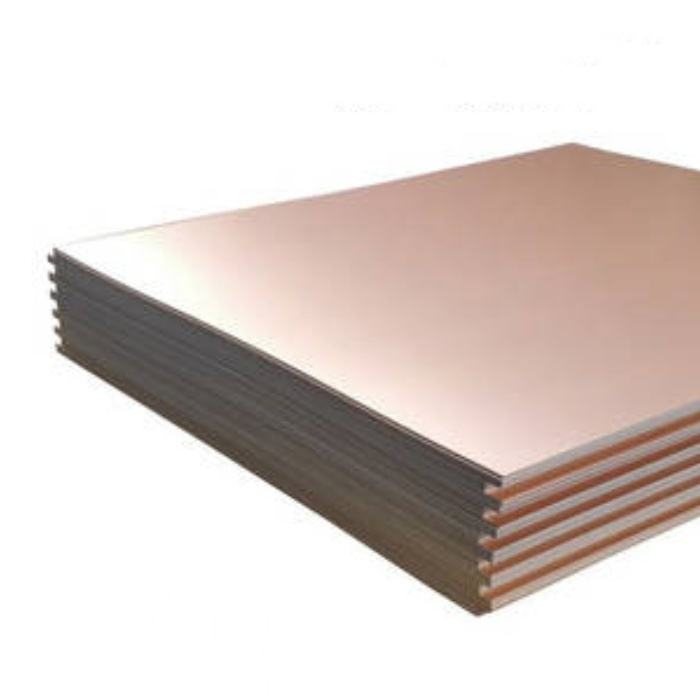
Same three ideas, built several ways
The standard sheet is single-sided on aluminium. These are the other constructions in the range.
Single-sided
Copper on one face, dielectric, aluminium base. Standard sheet 1000 × 1200 mm.
Double-sided, plugged-hole
Copper on both faces of the metal core, holes plugged to keep the layers insulated.
Multilayer, mixed lamination
Several circuit layers laminated together on one metal base.
3D-bendable base
A base material that can be formed after lamination.
1.5–2 W/m·KCopper base
A copper plate instead of aluminium, for the highest power.
Up to 8 W/m·K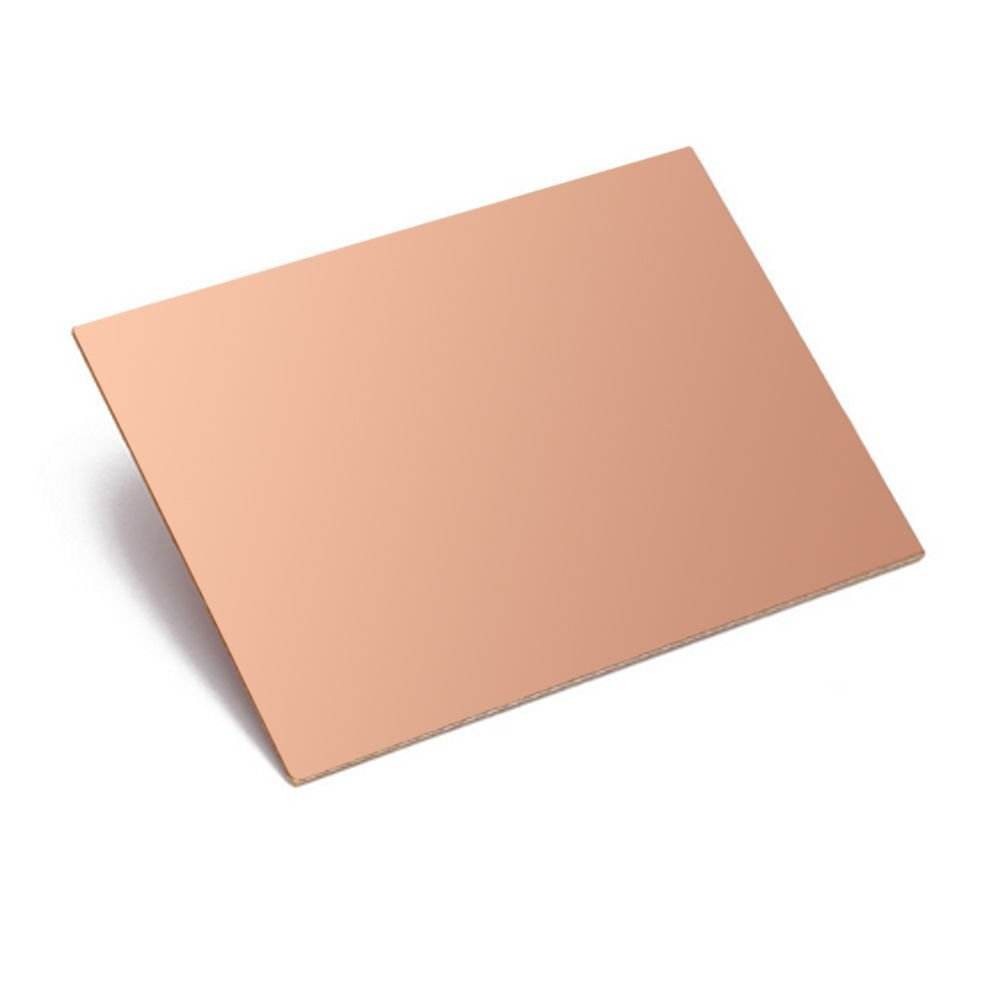
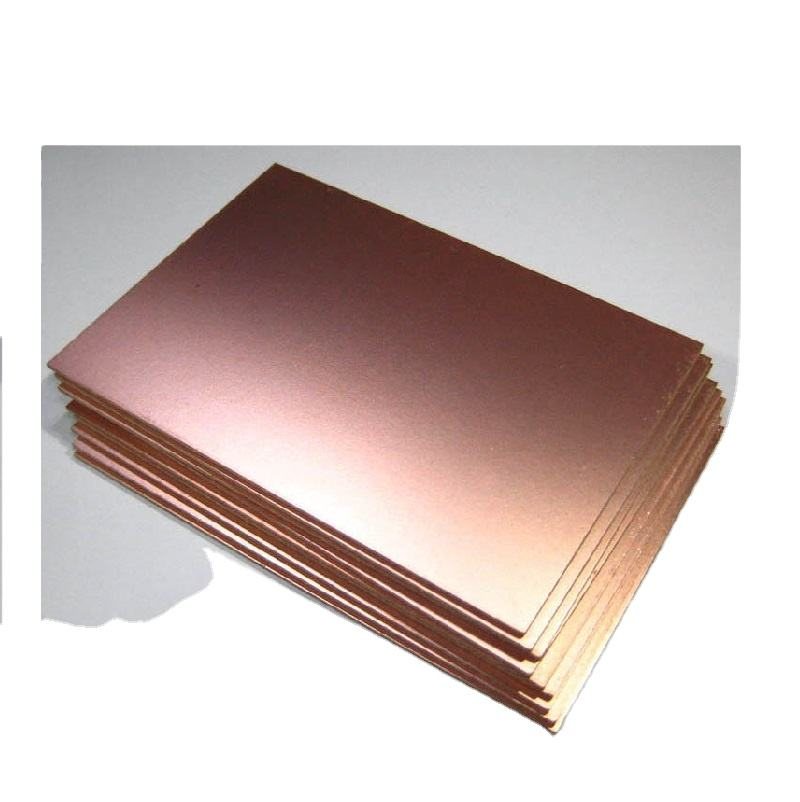
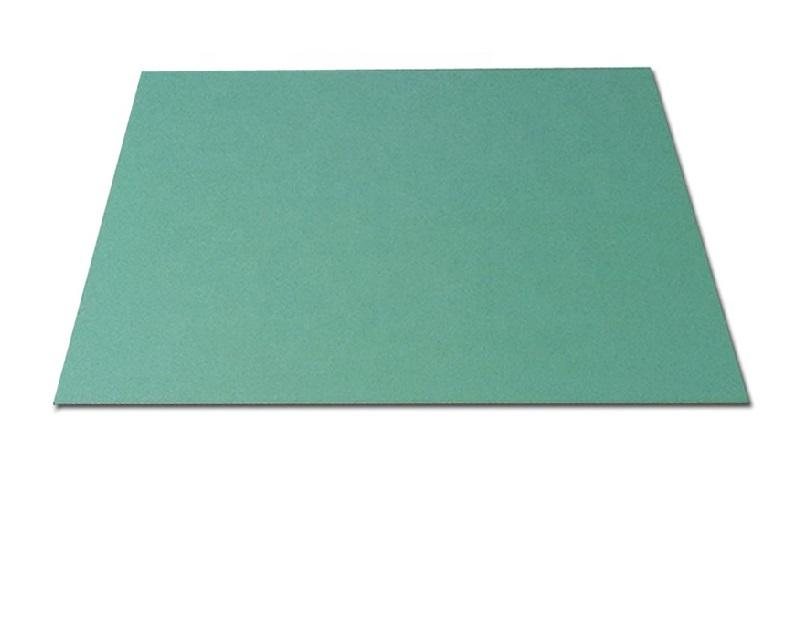
Also made: RCC ceramic thermally conductive adhesive film, high-TC hole-filling film, FR-4 and CEM-3 laminates (including a 2 W/m·K thermally conductive CEM-3) and PTFE CCL. Everything else is on the datasheet.
From laminate to assembled board
The same sheet, followed through to the finished product: we supply the laminate and, downstream, fabricate and assemble it.
Laminate
The sheet as it leaves the press: copper, dielectric, metal base.
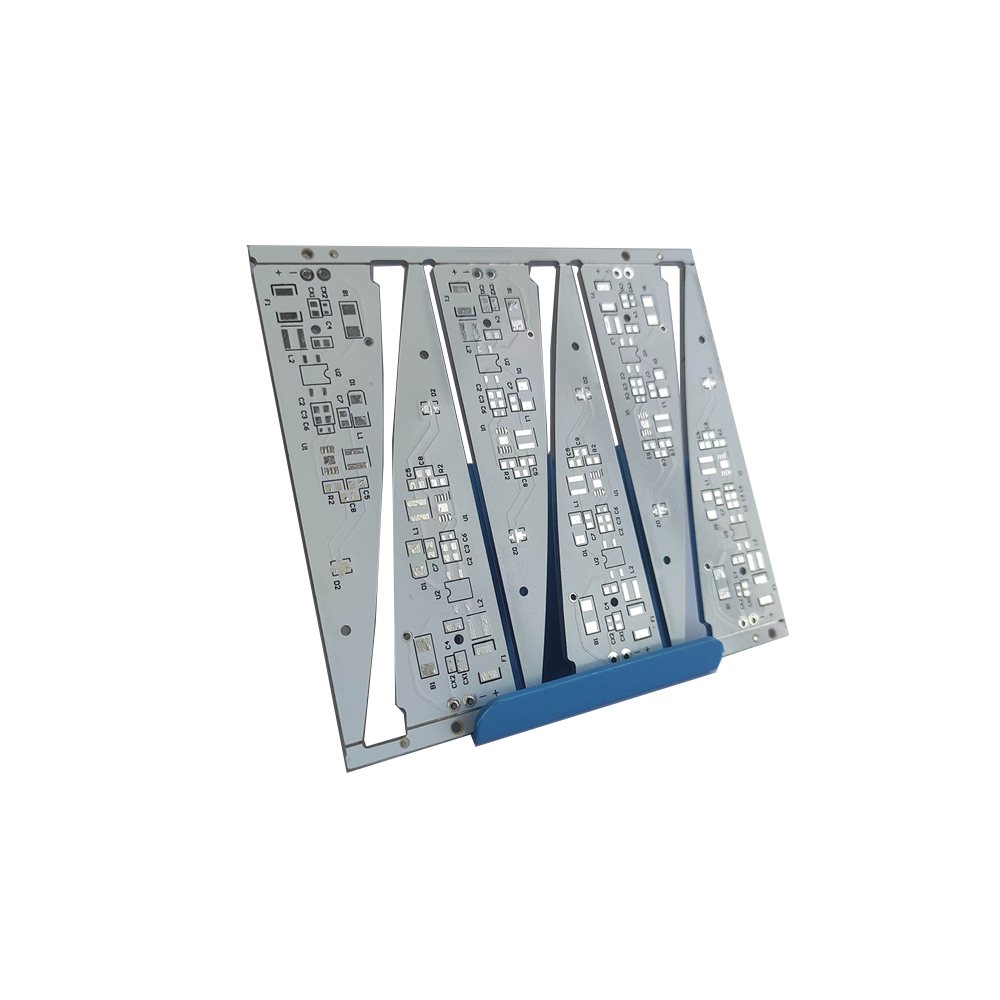
Etched circuit
Bare PCB fabrication in aluminium, FR-4, ceramic and multilayer builds.
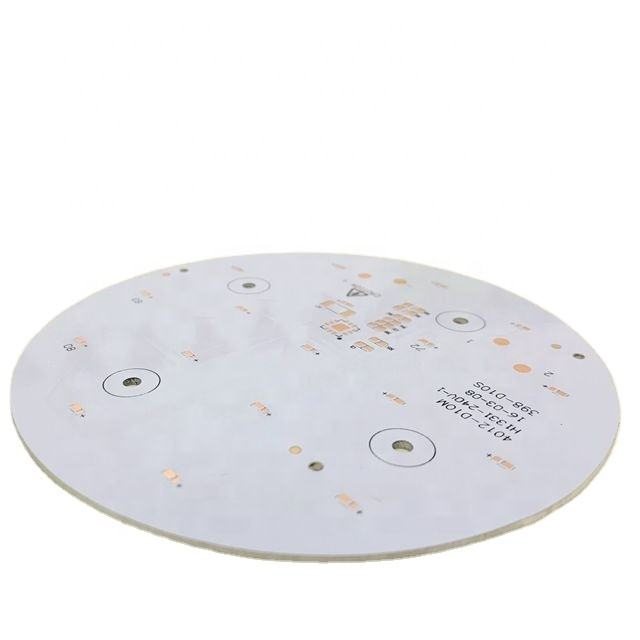
Finished board, then assembly
A finished metal-core board. PCBA assembly then places the components on it.
Where the heat has to go somewhere
- Automotive
- Automotive LED lamps and smart vehicles; EV drive power and battery protection; fast-charging stations
- Energy
- PV storage and inverters
- LED lighting
- COB, high-bay, stage and grow lights; Mini-LED displays
- Computing and telecom
- Servers, AI computing, graphics cards; telecom base stations
- Medical and imaging
- Medical and imaging equipment
- Other
- 3D printers; thermoelectric (TEC) cooler substrates